Wegovy Injection vs Wegovy Tablets: Which Is Better?
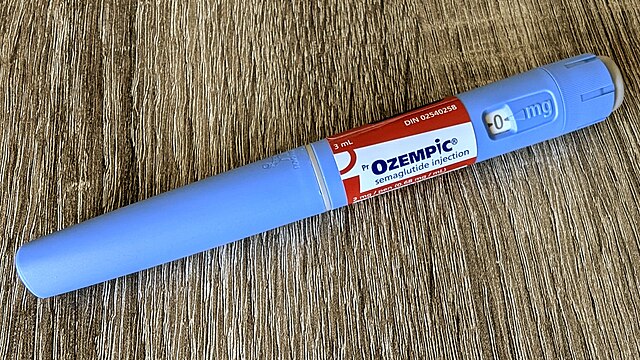
Wegovy is available in injectable and oral forms for chronic weight management. Both use semaglutide, but schedule, administration, dose, tolerability, access and patient preference can make one formulation a better fit.
Comparison at a glance
| Schedule | Once-weekly injection after gradual escalation | Once-daily tablet after gradual escalation |
|---|---|---|
| Administration | Subcutaneous injection in the abdomen, thigh or upper arm | Swallowed whole according to the current product instructions |
| Average trial result | Strong average weight reduction in major obesity trials | Clinically meaningful average loss in the oral obesity trial; cross-trial comparison is imperfect |
| Best fit | Patients comfortable with a weekly injection | Patients who strongly prefer a tablet and can adhere daily |
| Coverage | Depends on pharmacy benefit and indication | Newer formulary placement may be more limited |
What both forms have in common
Both formulations act through the GLP-1 receptor, helping increase satiety and reduce hunger. They share important gastrointestinal effects and product warnings. Neither should be combined with another semaglutide-containing product or another GLP-1 receptor agonist unless current labeling specifically permits it.
Reasons to choose one formulation
A weekly injection can simplify adherence for someone who dislikes daily medicine. A tablet may appeal to a patient with needle aversion, but daily administration and product-specific interaction instructions matter. W8MD also considers reflux, gastroparesis symptoms, swallowing difficulty, travel, storage, pharmacy coverage and previous response.
What to expect from a W8MD medication evaluation
The first step is not choosing a brand from an advertisement. W8MD reviews weight history, previous diets and prescriptions, medication allergies, blood pressure, pulse, sleep symptoms, glucose status, relevant laboratory results, cardiovascular history, gastrointestinal symptoms, kidney and liver concerns, pregnancy plans and current medicines. This helps identify contraindications and realistic alternatives.
The treatment plan can include a lower-cost traditional prescription, an FDA-approved incretin medicine, structured nutrition, meal replacements, a medically supervised very-low-calorie diet for selected patients, home sleep-apnea testing or a combination of services. Follow-up assesses appetite response, adverse effects, hydration, protein intake, bowel symptoms, blood pressure, muscle preservation and progress toward health-centered goals. A dose is not increased simply because a calendar date arrives.
Affordable W8MD treatment pathways
Semaglutide
From $29.99/week when insurance is accepted for qualifying visits. Self-pay pathways start from $59.99/week.
Tirzepatide
From $45/week when insurance is accepted for qualifying visits. Self-pay pathways start from $69.99/week.
Traditional prescriptions
Phentermine, topiramate, Qsymia, Contrave, diethylpropion, phendimetrazine and orlistat may be considered when clinically appropriate.
Pricing notice: Starting prices are not guaranteed for every patient or dose. Visit, medication, laboratory, supply, shipping, copay, deductible and dose costs may be separate. Insurance coverage of a visit does not guarantee pharmacy coverage.
Medication safety and supervision
Prescription obesity treatment requires an individualized evaluation. Common considerations include pregnancy, cardiovascular disease, blood pressure, kidney and liver health, gastrointestinal disease, gallbladder and pancreatic history, glaucoma, mental health, diabetes medicines, controlled-substance risk and drug interactions. Product-specific FDA labeling controls.
Frequently asked questions
Is the Wegovy tablet the same as Rybelsus?
No. They contain semaglutide but have different labeled indications, strengths and administration pathways.
Does the tablet work as well as the injection?
Both can be effective, but separate trials do not prove identical individual results.
Can I switch if insurance changes?
Possibly. The clinician must review timing, dose, tolerability and coverage before switching.
Related Philadelphia and W8MD resources
Philadelphia services
WikiMD encyclopedia
How W8MD Philadelphia can help
W8MD physicians have more than 20 years of clinical experience and compare medical conditions, contraindications, previous attempts, appetite patterns, sleep, cultural food preferences, insurance coverage, patient preferences and long-term cost. Care can include medication, structured nutrition, a medically supervised VLCD for selected patients, sleep-apnea evaluation, muscle-preservation planning and maintenance.
1718 Welsh Road, 2nd Floor, Suite C, Philadelphia, PA 19115
Phone: 215-676-2334
Serving Northeast Philadelphia, Bucks County, Montgomery County, Delaware County, nearby Pennsylvania communities and South Jersey, subject to clinical and licensure requirements.
Contact W8MD Philadelphia
Use this form for nonurgent appointment and service questions.